Best Spine Surgeon in Karvenagar, Pune | Spinal Disc Surgery by Dr. Shardul Soman
Experience relief from chronic back pain with Dr. Shardul Soman, recognized as the best spine surgeon in Pune at Total Spine Care Clinic. Specializing in advanced spinal disc surgery, including microdiscectomy and endoscopic spine procedures, Dr. Shardul Soman provides expert care for herniated discs, sciatica, and nerve compression. Whether you are dealing with severe lower back pain or require a specialized surgical consultation, Dr. Shardul Soman offers personalized treatment plans tailored to restore your mobility and quality of life.
What is Spine Disc Surgery?
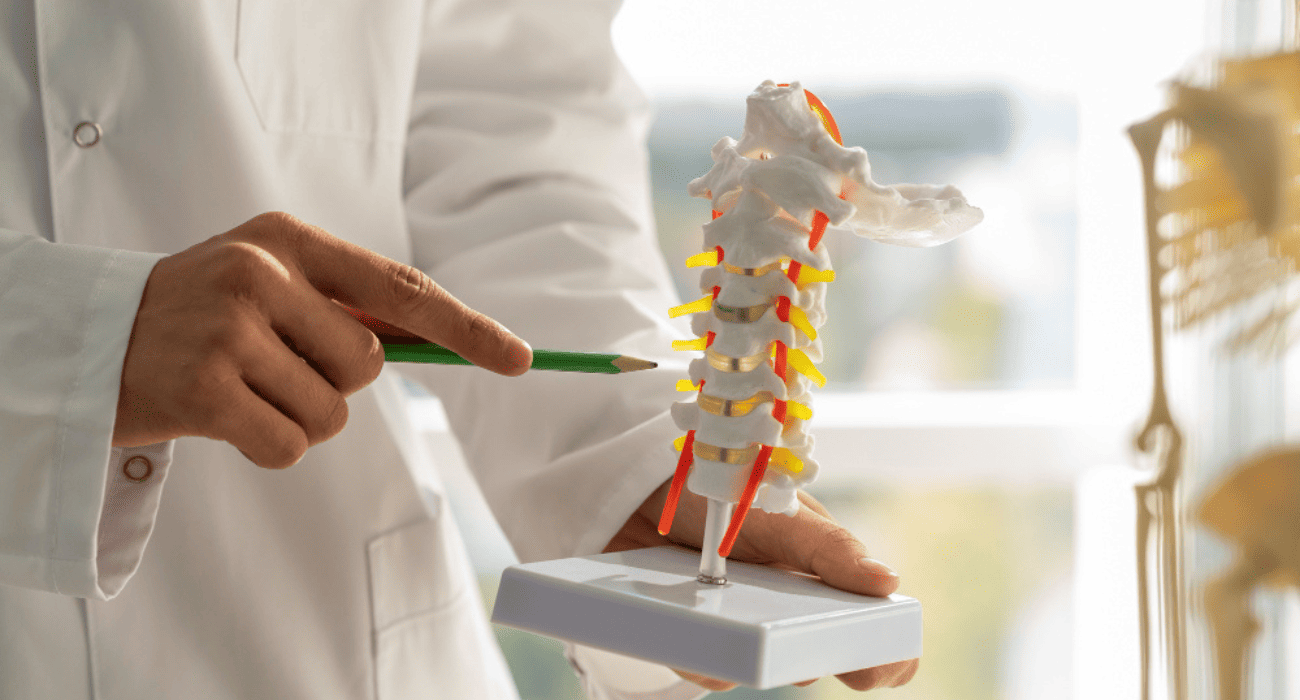
Between each of the bones in your spine (the vertebrae) is a disc. These discs act as shock absorbers and help cushion your bones. A herniated disc extends beyond the capsule containing it and pushes into the spinal canal. You can have a herniated disc anywhere along your spine, even in your neck, but it’s most likely to occur in the lower back (lumbar vertebrae).
Types of surgery for herniated disc
- Laminotomy/laminectomy
In a laminotomy, a surgeon makes an opening in the vertebral arch (lamina) to relieve pressure on your nerve roots. This procedure is performed through a small incision, sometimes with the aid of a microscope. If necessary, the lamina can be removed. This is called a laminectomy.
- Discectomy/microdiscectomy
Discectomy is the most common surgery used for a herniated disc in the lumbar region. In this procedure, the portion of the disc that is causing the pressure on your nerve root is removed. In some cases, the entire disc is removed.
The surgeon will access the disc through an incision in your back (or neck). When possible, your surgeon will use a smaller incision and special instruments to achieve the same results. This newer, less invasive procedure is called a microdiscectomy. In some cases, these procedures can be performed on an outpatient basis.
- Artificial disc surgery
For artificial disc surgery, you’ll be under general anesthesia. This surgery is usually used for a single disc when the problem is in the lower back. It’s not a good option if you have arthritis or osteoporosis or when more than one disc shows degeneration.
For this procedure, the surgeon enters through an incision in the abdomen. The damaged disc is replaced with an artificial disc made from plastic and metal. You may need to stay in the hospital for a few days.
Risks and what to expect after surgery
All surgeries have some risk, including infection, bleeding, and nerve damage. If the disc isn’t removed, it can rupture again. If you suffer from degenerative disc disease, you may develop problems with other discs.
Following spinal fusion surgery, a certain amount of stiffness is to be expected. This may be permanent.
After your surgery, you’ll be given specific discharge instructions regarding when to resume normal activity and when to begin exercising. In some cases, physical therapy may be necessary. It is very important to follow your doctor’s recommendations.
Most people recover well after disc surgery, but each case is unique. Your outlook depends on:
- The details of your surgery
- Any complications you may have encountered
- Your general state of health
Preventing problems
To help prevent future problems with your back, try to maintain a healthy weight. Always use proper lifting techniques. Strong abdominal and back muscles help support your spine, so be sure to exercise them regularly. Your doctor or physical therapist can recommend exercises designed for that purpose.
Disc Surgery
Feasibility of endoscopic discectomy by interlaminar approach at a high volume tertiary public hospital in a developing country.
Frequently Asked Questions
Spine disc surgery is a procedure performed to remove or repair a damaged or herniated spinal disc that is pressing on nearby nerves, causing pain, numbness, or weakness.
Surgery is usually recommended when:
Back or leg pain does not improve with medication or physiotherapy
There is nerve compression causing weakness or numbness
The patient has difficulty walking or performing daily activities
There is loss of bladder or bowel control (emergency condition)
Severe lower back pain
Pain radiating to the leg or arm (sciatica)
Numbness or tingling in limbs
Muscle weakness
Difficulty standing or walking for long periods
Common types include:
Microdiscectomy
Endoscopic spine surgery
Laminectomy
Spinal fusion (in selected cases)
The type of surgery depends on the patient’s condition and severity.
Yes, when performed by an experienced spine surgeon, spine disc surgery is generally safe. Like any surgery, it carries some risks, which will be discussed during consultation.
Expert Orthopaedic Spine Surgeon in Karvenagar, Pune – Dr. Shardul Soman
Schedule an Appointment Today for Personalized Spine Care