What Is Spinal Stenosis? Early Signs You Should Not Ignore
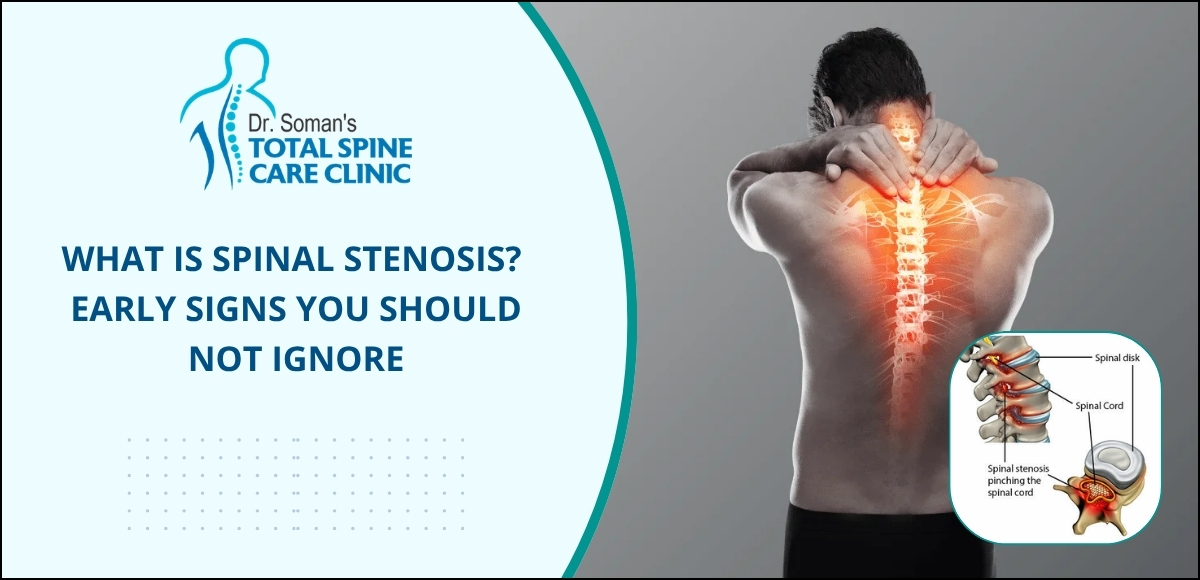
Spinal stenosis is a common condition that happens when the spaces within your spine become narrow. This narrowing can put pressure on the nerves that travel through the spine, leading to pain, discomfort, and mobility issues. While it is more common in older adults, it can affect people of any age due to injury or other spine-related conditions.
Understanding Spinal Stenosis in Simple Terms
Your spine is made up of bones (vertebrae) stacked on top of each other, with a canal running through them that protects your spinal cord and nerves. In spinal stenosis, this canal becomes tight or “stenosed,” leaving less room for the nerves.
This condition most often affects:
- The lower back (lumbar spine)
- The neck (cervical spine)
What Causes Spinal Stenosis?
Several factors can lead to spinal stenosis, including:
- Age-related wear and tear (most common cause)
- Herniated discs
- Bone spurs
- Thickened ligaments
- Spinal injuries or trauma
- Congenital (birth-related) narrow spinal canal
Early Signs You Should Not Ignore
Recognizing early symptoms can help prevent the condition from worsening. Here are some warning signs:
1. Persistent Back or Neck Pain
Mild but continuous pain in your lower back or neck can be an early indicator.
2. Numbness or Tingling
A “pins and needles” sensation in your arms, hands, legs, or feet.
3. Weakness in Limbs
You may feel heaviness or weakness, especially while walking or standing.
4. Pain While Walking (Relieved by Sitting)
A classic sign of lumbar stenosis is pain that worsens when walking and improves when sitting or bending forward.
5. Balance Problems
Difficulty maintaining balance or coordination can signal nerve compression.
6. Radiating Pain
Pain that travels from your back into your legs (similar to sciatica).
When Should You See a Doctor?
You should consult a specialist if:
- Pain persists for weeks
- Symptoms worsen over time
- You experience numbness, weakness, or difficulty walking
- Daily activities are affected
Early diagnosis can help manage symptoms effectively and avoid complications.
Treatment Options
Treatment depends on the severity of the condition:
- Lifestyle changes & physiotherapy
- Medications for pain relief
- Epidural steroid injections
- Minimally invasive procedures
- Surgery (in severe cases)
Most people improve with non-surgical treatments when diagnosed early.
FAQs About Spinal Stenosis
1. Is spinal stenosis serious?
It can become serious if untreated, as nerve compression may worsen over time. Early care helps manage it effectively.
2. Can spinal stenosis be cured?
It may not be completely “cured,” but symptoms can be controlled with proper treatment.
3. Who is at risk?
People above 50, those with spine injuries, or conditions like arthritis are at higher risk.
4. Can exercise help spinal stenosis?
Yes, guided exercises and physiotherapy can strengthen muscles and reduce symptoms.
5. Is surgery always required?
No, surgery is only needed in severe cases when other treatments don’t provide relief.
About the Doctor
If you are experiencing symptoms of spinal stenosis, timely consultation with an expert is important. Dr. Shardul Soman is a trusted Orthopedic Spine Doctor in Karvenagar, Pune, known for his patient-focused approach and expertise in diagnosing and treating spine conditions. With a focus on both non-surgical and advanced surgical treatments, he helps patients regain mobility and live pain-free lives.
Visit : Dr. Shardul Soman | Orthopedic Doctor Karvenagar Pune | Spine Surgeon | Back Pain | Neck Pain | Joint Pain
Contact Number : +91 8830979364